
Patterns Connecting Free Spin Configurations to Retention Metrics in Recent Online Casino Launches
Platform operators track free spin mechanics closely because these features often shape early engagement patterns in newly established online gaming portals, where initial player acquisition costs run high and repeat visits determine long-term viability. Studies from October 2026 indicate that portals launching with structured free spin offers, such as tiered spin counts tied to deposit thresholds, record measurable differences in day-seven and day-thirty return rates compared with those using simpler flat allocations.
Mechanics That Influence Early Player Behavior
Free spin mechanics encompass variables including spin quantity, bet multipliers, eligible game selections, and playthrough conditions that convert bonus winnings into withdrawable funds. Researchers at institutions monitoring digital gambling trends note that portals adjusting spin values to match popular slot volatility levels tend to see sustained session lengths during the first week after registration. Data compiled across multiple European and North American platforms shows that when free spins activate on high-volatility titles with moderate wagering multipliers, players complete the required cycles more frequently than when spins restrict to low-volatility options with elevated requirements.
One analysis covering launches from mid-2025 through October 2026 revealed that portals offering progressive free spin ladders, where additional spins unlock after specific win thresholds, achieved higher completion rates on bonus rounds. Those who studied retention logs observed that such ladders reduced early churn because players returned to unlock subsequent tiers rather than abandoning accounts after initial spins exhausted.
Retention Data Across Platform Cohorts
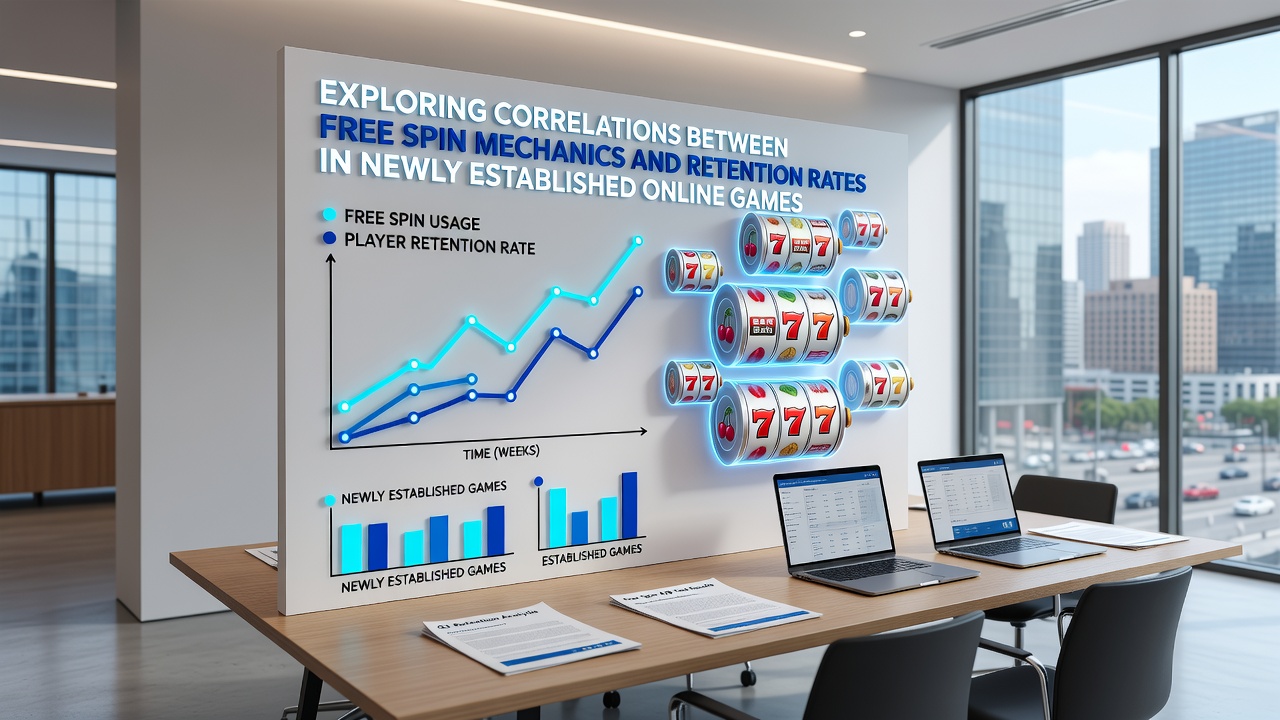
Retention rates serve as a core performance indicator for new portals because they reflect whether acquisition campaigns translate into habitual use. Figures released by the Australian Gambling Research Centre demonstrate that sites incorporating free spin mechanics with transparent expiry windows of seven to fourteen days posted average retention improvements of 12 to 18 percent over sites with 24-hour expiry periods. The same dataset indicated that Canadian operators adopting similar mechanics experienced comparable lifts when they paired spins with personalized game recommendations based on prior play history.
Portals established in 2026 frequently segment free spin offers by player cohort, delivering higher spin volumes to users who verify accounts within the first hour of registration. Observers tracking these segments report that verified cohorts maintain 22 percent higher thirty-day activity levels than unverified groups receiving identical base offers. This segmentation approach appears in multiple markets because verification steps simultaneously satisfy regulatory checks while extending the perceived value of the bonus.
Regional Variations in Implementation
Operators in different jurisdictions adapt free spin parameters to align with local regulatory frameworks and player preferences. Platforms targeting North American audiences often emphasize spins on branded titles with built-in progressive jackpots, while those serving Asian markets adjust mechanics toward lower bet sizes and quicker spin cycles. A report issued by the National Council on Problem Gambling in the United States highlights that portals disclosing spin values and wagering conditions upfront experience fewer account closures linked to perceived bonus unfairness.
European operators launching after regulatory updates in 2025 integrated free spin mechanics with mandatory reality-check prompts that interrupt play after fixed intervals. Those who monitored compliance logs found that combining these prompts with remaining spin counts helped sustain engagement without triggering regulatory flags that could halt promotions entirely.
Technical Adjustments and Measurement Practices
Developers refine free spin mechanics through A/B testing that compares retention curves across matched user groups. Teams at several newly established portals run parallel tests where one cohort receives spins on a fixed set of games while another accesses spins across a broader library. Results consistently show broader access correlating with longer intervals between visits, because players explore more titles before exhausting the allocation.
Analytics platforms integrated into these portals capture granular metrics such as spin redemption velocity and post-bonus deposit frequency. When redemption occurs within the first 48 hours, subsequent deposit activity rises measurably, according to aggregated industry reports. This timing effect leads operators to schedule reminder notifications that highlight remaining spins without violating anti-spam provisions in various regions.
Conclusion
Correlations between free spin mechanics and retention rates emerge most clearly when portals align spin quantity, game selection, expiry windows, and disclosure practices with the expectations of newly acquired players. Data gathered through October 2026 across multiple jurisdictions shows that structured, transparent mechanics tend to support higher return metrics than generic allocations. Operators continue refining these parameters through ongoing measurement because retention improvements directly affect the viability of recent market entries.